
 By
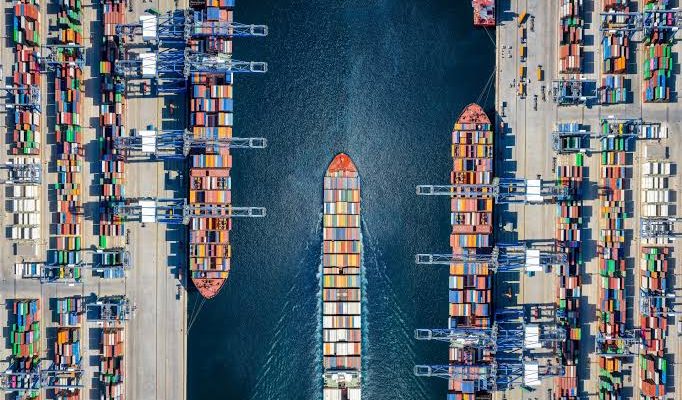
The architecture of modern international e-commerce relies heavily on customs entry thresholds. Cross-border logistics planning depends on tax exemption baselines to dictate how low-value goods clear borders efficiently, control final pricing, and prevent supply chain bottlenecks at major ports of entry.
Recent updates to the de minimis threshold across major trade blocks-such as the U.S. suspension of duty exemptions and the EU’s new small-parcel rules-have reshaped global landed cost calculations. Optimizing these tax structures empowers merchants to streamline compliance and deliver transparent pricing worldwide.
Shift in Global Duty Baselines
Historically, tax exemption baselines allowed direct-to-consumer shipments below specific monetary limits to enter without import duties or complex filings. This framework reduced administrative burdens for border control while accelerating delivery timelines for consumer orders.
Global regulatory shifts emphasize digital reporting and standardized import entry processes. Establishing clear, pre-calculated landed cost models ensures seamless customs clearance, shielding international shoppers from unexpected doorstep charges.
Anatomy of Landed Import Costs
A complete landed cost includes multiple distinct expense layers beyond basic freight rates. Every cross-border transaction combines merchandise value, transport logistics, insurance, customs processing, and local value-added taxes (VAT).
| Cost Component | Impact Under High Baseline | Impact Under Reduced Baseline | Customs Duty | $0 (Exempt) | Variable % based on HS Code | Clearance Fees | Minimal / Automated | Standard Brokerage / Filing Fee | Local Sales Tax / VAT | Paid at destination or exempt | Collected at checkout or border | Delivery Speed | Express / Priority Clearance | Subject to Formal Document Audit |
|---|
Understanding these layers allows retailers to structure checkout options that absorb or display precise import fees automatically.
Strategic Supply Chain Optimization
Adapting to altered trade thresholds requires a shift from direct, single-parcel postal shipping to consolidated, multi-modal distribution strategies. Forward-looking brands utilize regional fulfillment hubs to process bulk entries under favorable commercial tariff rates.
- Bulk Freight Customs Filing: Consolidating thousands of parcel-level orders into single bulk container entries lowers the per-unit brokerage fee.
- In-Country Fulfillment Networks: Staging inventory in regional bonded warehouses minimizes cross-border customs friction during peak shopping periods.
- Automated Product Classification: Precise 10-digit Harmonized System (HS) code assignment avoids duty overpayment and prevents shipment holds.
Trade resources like the World Customs Organization provide updated classification standards, while analytics tools from DHL Logistics Advice and formal documentation guidelines via U.S. Customs and Border Protection help align catalog data with regional policies. Relying on verified tariff resources like the International Trade Administration further secures global margin accuracy.
Incorporating an accurate de minimis threshold tracking engine directly into e-commerce checkout platforms guarantees transparent landed costs. This eliminates surprise delivery fees and stabilizes global customer conversion rates.
FAQs
What is a de minimis threshold in cross-border trade?
It is a valuation baseline set by national customs authorities below which imported goods enter duty-free with simplified customs processing.
How do tax exemption baselines affect online shoppers?
Baselines determine whether international orders incur extra import duties, taxes, or clearance fees at checkout or delivery.
Why do customs authorities update tax exemption limits?
Updates balance trade competitiveness, safeguard local markets, improve consumer safety checks, and modernize digital customs tracking.
What happens when an order exceeds the exemption baseline?
Shipments become subject to standard customs tariffs based on their HS code, along with potential formal entry filing fees.
How can cross-border merchants maintain smooth customs clearance?
Sellers can pre-calculate landed costs at checkout, collect duties up front using Delivered Duty Paid (DDP) methods, and ensure accurate HS codes.
Enterprise Global Readiness
Navigating evolving import baselines demands a proactive supply chain strategy focused on data accuracy and delivery transparency. Brands that integrate real-time duty calculations, optimize product classification, and utilize strategic regional fulfillment hubs unlock a decisive advantage in global commerce. Turning regulatory compliance into a frictionless checkout experience ensures sustainable growth across every international target market.






Comments