
 By
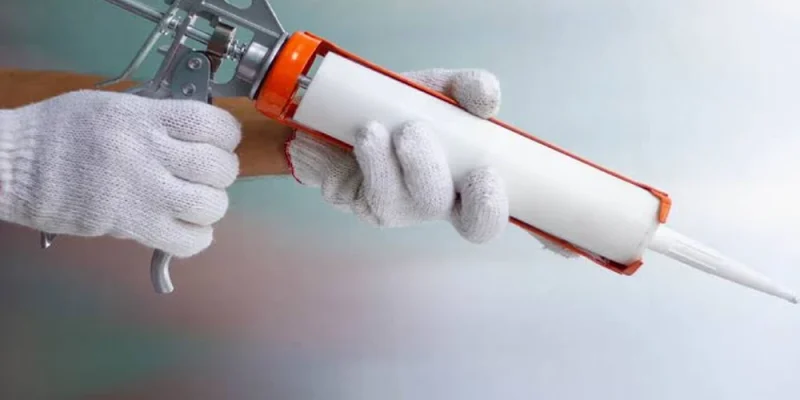
Most silicone failures people blame on bad product aren’t chemical failures at all. They’re moisture trapped behind a bead applied over a damp, contaminated surface – mold grows in that gap long before anyone notices, hidden behind a seal that still looks fine from outside.
A 40-year study on outdoor weathering, conducted from 1983 to date, determines the chemistry that can withstand all those years of exposure to harsh sunlight, humid atmosphere, and salt air, and makes it clear why certain high-performance silicone sealant can maintain a seal for twenty years whereas others break within five years.
Why Mold Grows Under Silicone
Mold under a bead is usually a substrate problem, not a chemistry one. Silicone bonds mechanically once cured but doesn’t wick moisture from underneath, so sealing over damp or old-caulk-coated surfaces traps exactly what mold needs.
The CDC notes mold needs only moisture and an organic food source – soap scum, skin oils, drywall dust. A fresh “mold-resistant” bead over that combination hides the problem rather than preventing it.
Cure Chemistry Determines Performance
Not all silicone cures the same way – the difference decides which surfaces it should touch.
| Properties | Acetoxy Cure | Neutral Cure |
|---|---|---|
| Waste Material | Acetic acid (sour-smelling) | Alcohol/oxime (neutral-smelling) |
| Best Suited For | Glass and Ceramic Tile | Stone, Metal and Paint |
| Corrosive | Slightly corrosive on some metals | Not corrosive |
| Application | Bathrooms and kitchens | Exterior masonry, curtain wall glazing joints |
Since acetoxy-cure silicone sets quickly and provides an excellent bond on glass and tile, it’s used almost exclusively in bathroom applications. Neutral cure silicone takes longer to set but doesn’t harm metals or stone.
What The 40-Year Data Shows
The Atlas Weathering Test Facility in South Florida has tracked 13 sealants – acrylics, polyurethanes, silicones – on angled panels since 1983, checking adhesion, flexibility, and surface condition every ten years. Reported in Waterproof Magazine, results apply to a period of four decades:
- Silicone lasts longer than acrylic and polyurethane in bonding applications.
- Acetoxy-cure ranked highest for surface condition after UV exposur.e
- Flexibility held up under cycling that cracked other chemistries
Failure rarely happens suddenly – it starts as lost elasticity.
Movement Capability Matters Most
A sealant’s ASTM C920 movement class – often ±25% or ±50% – sets how much a joint can expand and contract before the bond tears. Façade gaps and window frames need that range; a fixed tile seam doesn’t.
Matching sealant to joint type matters more than brand loyalty. A ±25% product forced onto a ±50% joint pulls away eventually – that match is what separates high-performance silicone sealants from ones that fail within a season.
Surface Preparation Ensures Longevity
No matter how excellent a product is, if it is not applied to surfaces that are well-prepared, it will perform poorly in its function. For proper adhesion for the long term, surface preparation is crucial because it involves removing old caulk, scraping debris, and cleaning the surface with isopropyl alcohol. The key reason is to eliminate any kind of oils from the surface. Leaving the surface to dry completely ensures there is no trapped ambient moisture that can affect the sealant’s performance negatively.
FAQs
How long does silicone sealant take to cure?
It takes about 30-60 minutes to be tack-free. The complete curing process takes 24-72 hours according to moisture levels.
Can I paint over silicone sealant?
Not possible – regular silicone sealant does not hold paints well. If painting is necessary, use a paintable silicone sealant.
How different is 100% Silicone from silicone caulking?
100% Silicone consists of pure polymer that provides ultimate flexibility; silicone caulking is diluted by acrylic to make it easier to tool, but doesn’t last long.
Silicone earns its reputation the slow way – not by advertising, but by still holding a seal decades after cheaper alternatives crack and get torn out. The real skill isn’t grabbing a premium tube off the shelf; it’s matching cure chemistry to substrate and movement class to joint before the gun touches the surface. Get that right, and the seal stops being something you think about – which, for waterproofing, is the whole point.
Comments