
 By
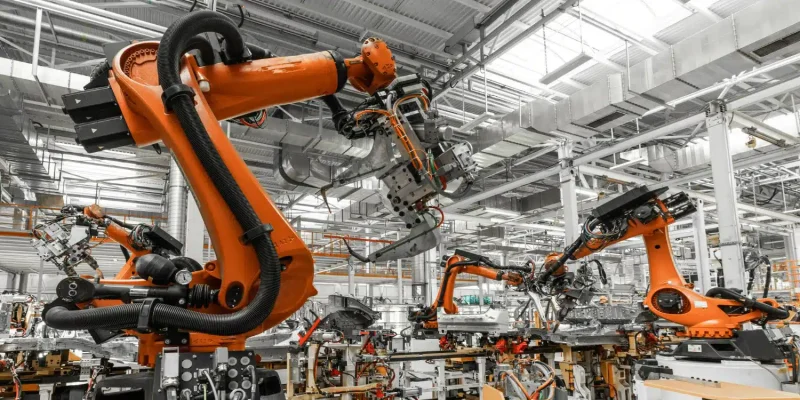
Metal shafts are critical components in industrial automation and robotics, serving as the backbone of mechanical movement in machinery. In these high-demand sectors, where precision and reliability are paramount, metal shafts ensure the smooth operation of automated systems.
These components are integral to transmitting power, controlling motion, and enhancing overall system performance, making them indispensable in modern industrial applications.
Power Transmission and Efficiency
In industrial automation, metal shafts are responsible for transferring rotational motion from motors to other components within the system. Whether it’s a conveyor belt, robotic arm, or automated tool, shafts play a pivotal role in ensuring that energy is efficiently transmitted throughout the system. The ability of metal shafts to withstand heavy loads and high torque makes them ideal for applications that require continuous, reliable power transmission.
Shafts are typically made from durable metals such as stainless steel, carbon steel, or aluminum, depending on the specific demands of the application. These materials were chosen for their strength, resistance to corrosion, and capacity to withstand high stress levels. As automation systems rely on continuous operation, the durability of metal shafts ensures that the system runs efficiently for extended periods, minimizing downtime and reducing the need for frequent repairs.
The precision of metal shafts also contributes to the efficiency of industrial automation. High-precision shafts increase the overall efficiency of machines by ensuring that power is delivered with the least amount of energy loss. This is especially important in large-scale manufacturing, where small improvements in energy consumption can lead to significant cost savings.
Role in Robotics
Robots are a key player in industrial automation, and the precision and reliability of metal shafts are essential for their functionality. In robotic systems, shafts are used to control the movement of robotic arms, grippers, and other parts of the machine. By transmitting power to various joints and actuators, metal shafts enable robots to perform complex tasks with accuracy.
For example, in a robotic arm used for assembly, metal shafts transfer motion to the arm’s joints, allowing it to move with precision. The quality of the metal shaft directly affects the robot’s ability to perform delicate tasks, such as picking and placing components on a production line. The robustness and strength of the shafts ensure that the robot can handle heavy loads without compromising performance.
Furthermore, the longevity of robotic systems is enhanced by the usage of metal shafts in robotics. These systems are often required to operate around the clock, and the durability of the shafts ensures that robots can function continuously without frequent breakdowns. This dependability helps businesses maintain high levels of productivity and lessens the need for maintenance.
Durability and Strength in Automation Systems
One of the key benefits of using metal shafts in industrial automation is their durability. Unlike plastic components, which can wear out quickly and are prone to damage, metal shafts are built to last. They are resistant to the severe pressure, chemicals, and high temperatures that are frequently present in industrial settings.
In robotics, where precision is critical, the strength and durability of metal shafts are even more important. A broken or worn shaft can lead to system failure, causing delays in production and potentially damaging expensive equipment. Metal shafts, on the other hand, provide a reliable solution that ensures long-term performance, reducing the risk of unexpected failures.
Metal shafts also contribute to the safety of automated systems. Their ability to handle high-stress environments ensures that systems operate smoothly, minimizing the chances of malfunction or accidents. In sectors like manufacturing, where robots and automation systems operate with large gear and hazardous materials, this is particularly crucial.
The Importance of Metal Forging Service
The quality and precision of metal shafts are largely determined by the manufacturing process. Metal forging services are crucial in producing high-quality shafts that meet the stringent requirements of industrial automation and robotics. By using advanced forging techniques, companies like Boberry ensure that shafts are made from high-quality metals and are shaped to the exact specifications required for the application.
Forged shafts are known to be more robust and long-lasting than cast or machined shafts. The forging process improves the material’s resilience to wear and fatigue by aligning the metal grain structure. This makes forged metal shafts ideal for high-performance applications in industrial automation and robotics, where reliability is key.
Conclusion
Metal shafts are essential in the fields of robotics and industrial automation. They offer the durability, strength, and accuracy required to guarantee dependable performance and seamless power transfer in automated systems.
From controlling robotic movements to transmitting power in machinery, metal shafts are essential components that contribute to the efficiency and longevity of industrial operations. With the support of metal forging services, companies like Boberry can produce high-quality shafts that meet the exacting demands of these industries, ensuring the continued success of automation systems.





Comments