
 By
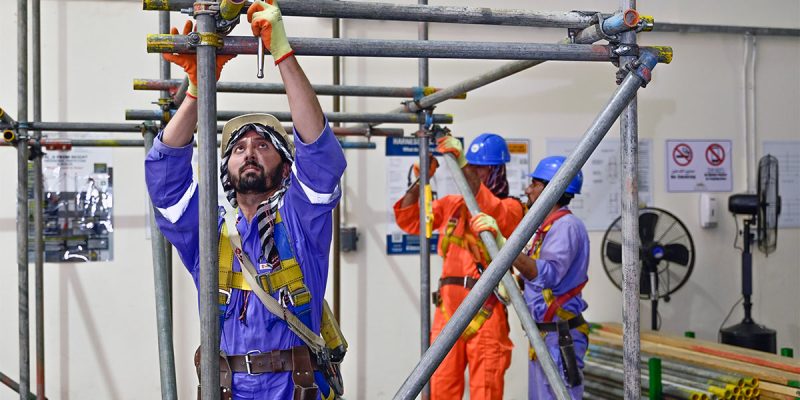
Scaffolding is one of the most common features on construction and industrial sites. Whether for access, maintenance, repairs, or new builds, temporary scaffold structures provide vital working platforms at height. However, scaffolding also introduces serious risks—particularly if improperly designed, loaded, or erected. That’s why hiring a certified scaffolding engineer is not only wise—it’s often a regulatory requirement.
A professional like ingénieur échafaudage NadeauSDM ensures that scaffolding is structurally sound, code-compliant, and adapted to the specific needs of a project. But who exactly needs this level of expertise? Below are the key sectors and scenarios where hiring a scaffolding engineer is not optional—it’s essential.
1. Large-Scale Construction Projects
Commercial buildings, hospitals, schools, and public infrastructure developments almost always require engineered scaffolding. Why?
- Multiple levels and elevations
- Integration with cranes, formwork, or cladding systems
- Heavy worker and equipment loads
- Close proximity to the public or active roads
In such complex builds, generic or off-the-shelf scaffolding systems won’t cut it. Engineers ensure safe designs that align with architectural plans and building codes.
2. Renovation of Historic or Sensitive Structures
When working on heritage buildings, churches, or museums, scaffold loads and anchoring must be carefully calculated to avoid damage. Certified engineers:
- Assess building integrity before anchoring
- Design freestanding or cantilevered scaffolds
- Work with conservation teams to protect architectural elements
Improper scaffolding in these cases can permanently damage irreplaceable structures.
3. Industrial and Energy Sector Work
Oil refineries, power plants, and manufacturing facilities often involve:
- Confined spaces
- High elevations
- Exposure to heat, chemicals, or vibrations
- Strict safety requirements
Scaffolding engineers are essential here to create customized solutions that work within restricted geometries while meeting safety standards.
4. Events and Temporary Structures
Concerts, film sets, parades, and temporary viewing platforms also require engineered scaffolds. These applications involve:
- Large crowds or high traffic
- Rapid assembly and disassembly
- Dynamic loads from movement, wind, or vibration
Engineers ensure these temporary installations are stable, safe, and compliant with public safety regulations.
5. Demolition and Façade Retention Projects
In projects where only part of a building is retained—such as a historical façade—temporary scaffolding often acts as structural bracing. A scaffolding engineer must:
- Design shoring that handles lateral and vertical loads
- Coordinate with demolition sequencing
- Minimize ground disturbance and vibration
These structures carry enormous responsibility and require detailed structural calculations.
6. Work at Extreme Heights or Unusual Terrain
High-rise buildings, bridges, or hillside developments pose serious risks. Certified engineers are needed to:
- Analyze wind loads
- Design guyed or anchored systems
- Evaluate the stability of uneven or soft terrain
Failing to properly engineer scaffolding in these conditions can lead to catastrophic collapse.
7. Projects Requiring Regulatory Approval
Many jurisdictions mandate scaffold design approval by a licensed engineer when:
- Scaffold exceeds a certain height (e.g., 10m or 39 feet)
- The structure is suspended, cantilevered, or mobile
- The scaffold supports significant equipment or materials
Certified engineers ensure compliance and provide the documentation needed for permits or inspections.
Conclusion
Scaffolding may look temporary, but the engineering behind it is critical. Whether it’s for a towering skyscraper, a sensitive renovation, or a high-risk industrial site, hiring a certified scaffolding engineer ensures structural safety, legal compliance, and peace of mind.





Comments